 News
El Niño: Ghana projected at about 7,000 extra heat deaths by March, 12th in the world
The Climate Impact Lab's tracker puts Ghana among the countries most exposed to El Niño's heat between October and March. The Met Agency's seasonal forecast warns of heat stress, but no El Niño statement was found from NADMO, the agric or health ministries, or Parliament.
extra heat deaths projected in Ghana, October to March, plus or minus 900. A Climate Impact Lab projection
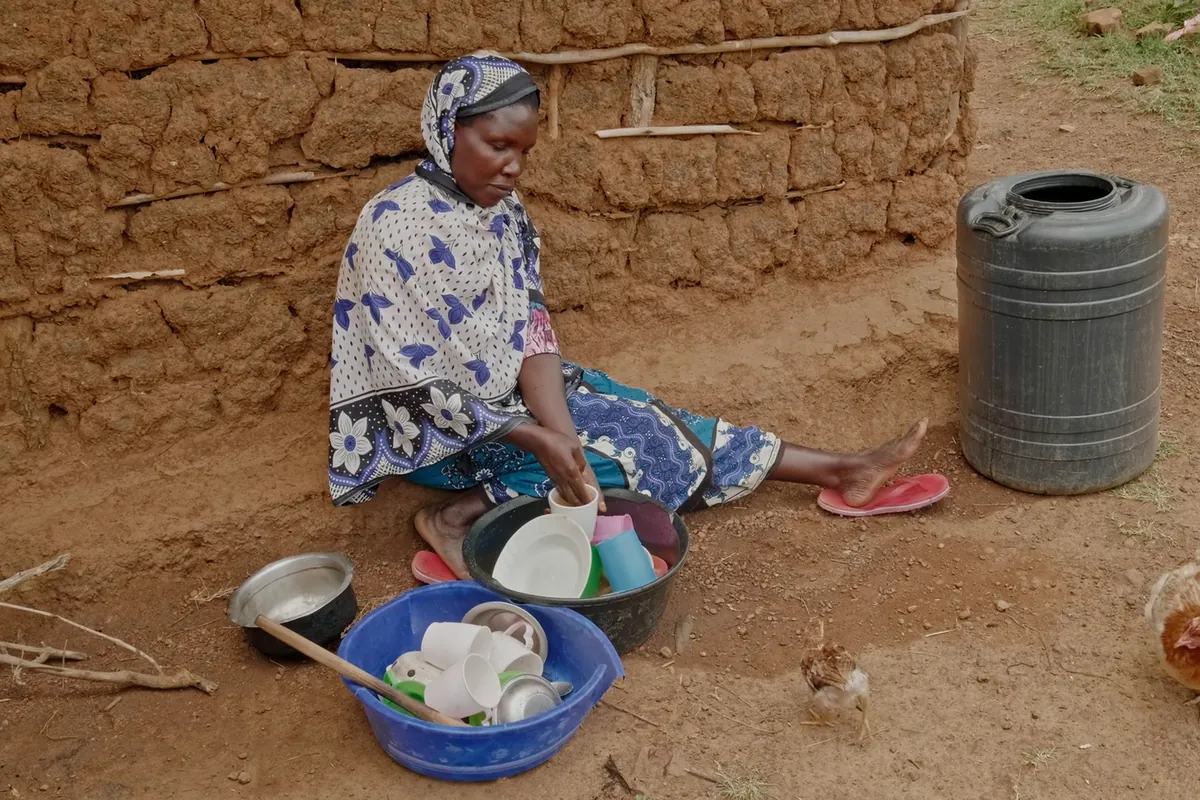
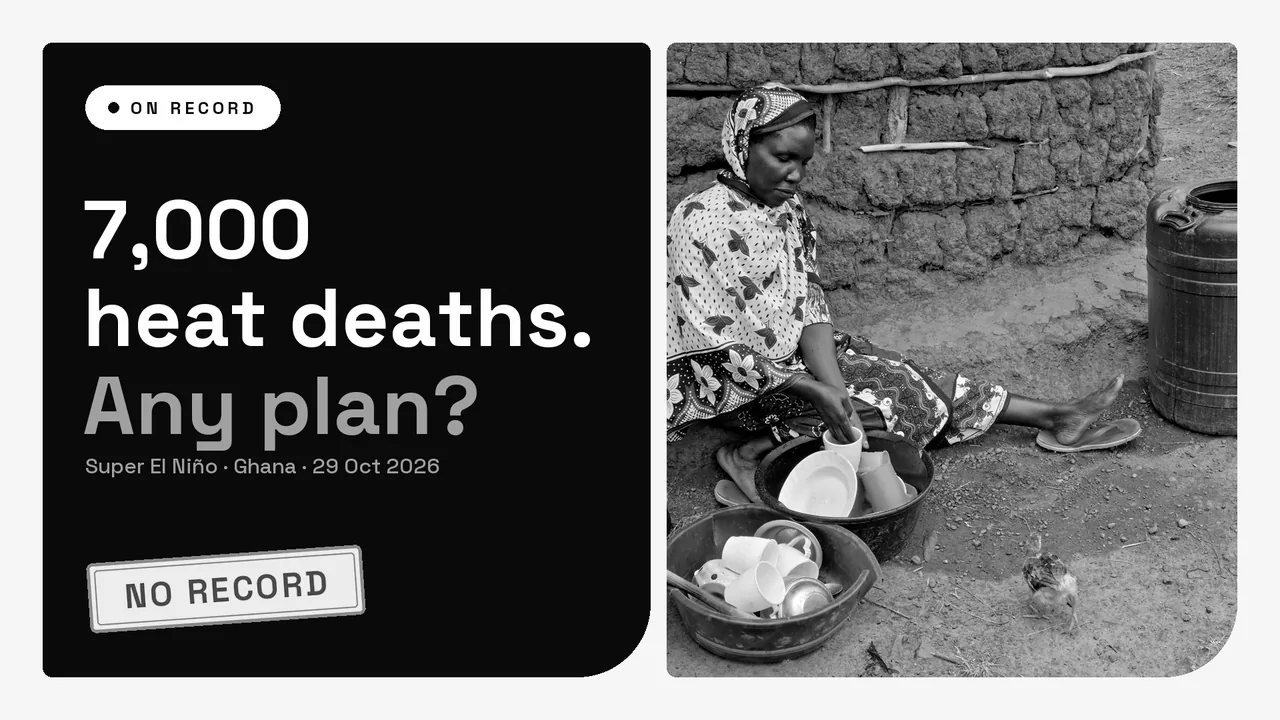
The Climate Impact Lab, a research group at the University of Chicago, projects about 7,000 extra heat deaths in Ghana between October 2026 and March 2027 because of El Niño, with a range of plus or minus 900. That places Ghana 12th of the 50 countries on the Lab's tracker, just above Burkina Faso (6,900) and above Côte d'Ivoire (4,000). Nigeria tops the list at about 56,100.
The figure comes from the Lab's own tracker, read on 29 October. It is a computer projection of deaths above an average year, not a count, and the study behind it has not yet been peer reviewed. Worldwide, the tracker now projects about 857,000 extra heat deaths from June to March, up from 451,000 in the Lab's September report. March is the worst month on its calendar.
How strong is this El Niño?
On 8 October, the US National Oceanic and Atmospheric Administration measured the key Pacific temperature index at 2.1°C above normal. Anything above 1.5°C counts as a strong El Niño. NOAA put the chance that October to December beats every El Niño since 1950 at 83 per cent. The World Meteorological Organization expects the event to peak around December. "Super El Niño" is not an official classification.
What Ghana has said
The Ghana Meteorological Agency's seasonal forecast for September to November 2026 names El Niño. It warns of below-average rainfall in some areas, longer dry spells, and "increased heat stress on people, crops and livestock". Its advice for the health sector covers cholera, malaria, dengue and other diseases, but does not mention heat.
QMS found no El Niño statement from NADMO, the Ministry of Food and Agriculture, the Ministry of Health, or Parliament (searches on 29 October).
The last time
In the 2023/24 season, Ghana's cocoa output fell to 429,323 tonnes by mid-July 2024, from about 650,000 tonnes the year before. COCOBOD's chief executive said "the presence of El Nino has affected our production". In 2024, a dry spell hit the north from June. On 26 August, the Agric Minister announced a ₵8 billion support package for 871,745 hectares and 435,872 farmers directly affected. El Niño was not mentioned in that briefing. In February 2024, GMet's chief forecaster said "heat wave is not a known meteorological phenomenon to Ghana".
The Met Agency did its part on paper. But a warning in a PDF is not a warning people hear. Heat alerts on our phones, clinics in the north ready before March, farmers told now, and the lake level published every week. The peak is December, the danger month is March, so the time to act is now.
- Climate Impact Lab: El Niño heat mortality tracker, top 50 countries Oct 2026-Mar 2027 (read 29 Oct 2026)
- UChicago Climate: more than 451,000 heat deaths projected from Super El Niño (22 Sep 2026)
- Inside Climate News: Super El Niño heat deaths (23 Sep 2026)
- CBS News: El Niño 451,000 more heat deaths, map of areas at risk
- NOAA Climate Prediction Center: ENSO diagnostic discussion (8 Oct 2026)
- WMO: sea-surface temperatures reflect strengthening El Niño (8 Oct 2026)
- Ghana Meteorological Agency: Seasonal Forecast September-November 2026
- COCOBOD: El Niño, smuggling, other factors caused decline in production (11 Jun 2024)
- Graphic Online: Drought, govt outlines GH¢8bn agric support (27 Aug 2024)
- 3News: Drought in northern Ghana, govt bans grain exports
- MyJoyOnline: Heatwave is not a known meteorological phenomenon in Ghana, chief forecaster (Feb 2024)
- World Bank Group archives (1983)
Every factual line in this story is checked against at least two independent sources, unless the text says it comes from one report.